New models for rare diseases in Drosophila
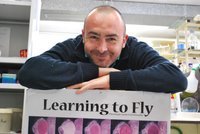
Research Interests
My research has been focussed in neurobiology and disease modeling, with extensive contributions to understanding neurodegeneration, glial tumors, cell competition, and rare diseases using Drosophila melanogaster as a model organism. His scientific output includes influential studies on ER‑stress pathways in amyloid‑β toxicity, demonstrating that XBP1s protects against Aβ‑induced neurodegeneration, as well as seminal work on cell competition mechanisms, describing how “winner” cells eliminate “loser” cells and how factors like SPARC and Flower regulate tissue fitness during development and disease. We also contributed to elucidate molecular pathways in prion toxicity, showing that Hsp70 prevents misfolding and neurodegeneration in models expressing human PrP.
At the ISCIII’s Unidad de Modelos de Enfermedades Humanas en Drosophila (MEHD), the group's work focuses on uncovering the mechanisms driving rare diseases and cancer progression. The laboratory develops genetically engineered Drosophila models to mimic human pathogenic variants and to investigate the cellular and molecular basis of disease. Their research includes the identification and functional characterization of genes regulated by the progression of glioblastoma, combining CRISPR/Cas9, shRNA, and high‑resolution genomic and proteomic approaches to define therapeutic targets with clinical potential. The unit’s broader aim is to advance understanding of molecular mechanisms underlying rare disorders and accelerate therapeutic discovery.
The MEHD group also contributes to the ISCIII's program for undiagnosed rare diseases (SpainUDP), where Casas Tintó leads efforts to genetically reproduce patient‑specific variants in Drosophila to determine their pathogenicity. These models help clarify disease mechanisms and provide platforms for testing potential treatments, offering essential insights that cannot be obtained directly from patients.
Taken together, Casas Tintó’s research combines genetics, neurobiology, tumor biology, and disease modeling, using Drosophila as a powerful system to dissect conserved mechanisms of human disease, including neurodegeneration, glioblastoma progression, and rare genetic disorders, and to identify actionable therapeutic targets.
Group members
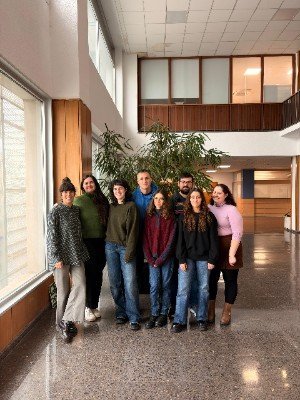
Left to right- María Figueres, Clara Gavira, Irene García, Carlos Rodriguez, Carmen de Pablo, Javier Escudero, Marta Usón and Sheila Ramos